
Glass / Ceramics | Certified Cutting Oil & Metalworking Fluid Supplier | HLJH
For grinding and cutting glass and technical ceramics, most shops choose a fully synthetic, chlorine-free coolant, for good practical reasons. It settles the fine abrasive fines quickly so they do not recirculate, stays clear enough for operators to see the work, and holds back foam at high wheel speeds. Machining glass and ceramics, materials that are both hard and brittle, presents significant challenges. Unlike metals, these materials are highly susceptible to cracking, edge chipping, and thermal damage under machining pressures. Additionally, the process generates substantial amounts of fine dust and abrasive particles, which complicates the operation further. Standard cutting fluids used in metalworking do not provide the necessary protection and can lead to surface scratches, tool wear, and even coolant tank blockages if not chosen properly. HLJH provides one-stop solutions for industrial oils and cutting fluids, covering eco-friendly cutting oil, customized oil production, and waste oil treatment (Taiwan only). Committed to green, environmentally responsible operations, HLJH owns its proprietary brand WILL and is MORESCO (Japan)'s authorized distributor in Taiwan, with select products co-developed through joint Taiwan-Japan technical cooperation — one of the few Taiwan companies with this kind of overseas production technology partnership.
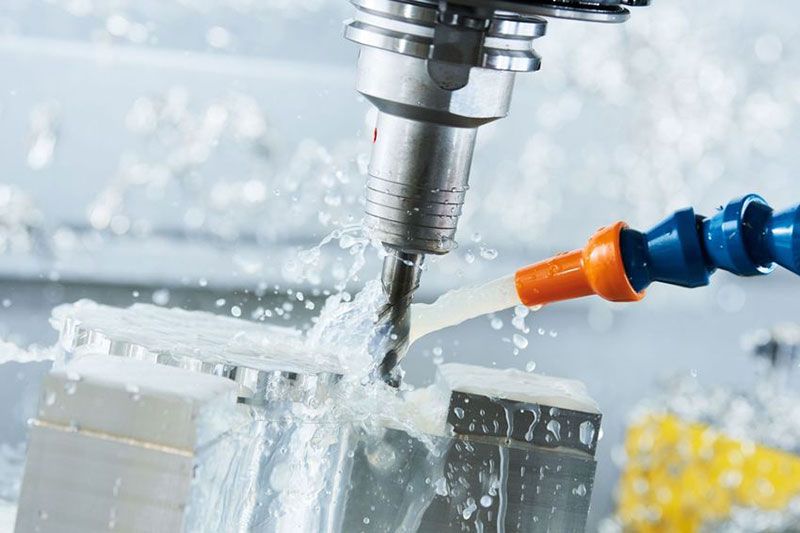
Glass / Ceramics
Grinding Glass and Ceramic:Prevents sludge solidification, no more hard sludge and clogging
For grinding and cutting glass and technical ceramics, most shops choose a fully synthetic, chlorine-free coolant, for good practical reasons. It settles the fine abrasive fines quickly so they do not recirculate, stays clear enough for operators to see the work, and holds back foam at high wheel speeds.
Machining glass and ceramics, materials that are both hard and brittle, presents significant challenges. Unlike metals, these materials are highly susceptible to cracking, edge chipping, and thermal damage under machining pressures. Additionally, the process generates substantial amounts of fine dust and abrasive particles, which complicates the operation further. Standard cutting fluids used in metalworking do not provide the necessary protection and can lead to surface scratches, tool wear, and even coolant tank blockages if not chosen properly.
Why Standard Cutting Fluids Aren’t Enough for Glass and Ceramics
Because glass and ceramics are prone to cracking and edge chipping during machining, the need for specialized cutting fluids is crucial. These materials are especially sensitive to heat and pressure, so using the wrong cutting or grinding fluid can exacerbate surface damage and accelerate tool wear. The machining process also produces large volumes of fine dust and abrasive particles, which need to be effectively managed. Therefore, the right cutting fluid—one with rapid sedimentation, excellent lubricity, and high fluid stability—is essential to ensure optimal results
Using an unsuitable cutting fluid will quickly lead to:
- Surface Scratches & Reduced Yield: Recirculation of fine particles causes irreversible surface defects.
- Costly Downtime: Sludge solidifies in the tank, damaging pumps and clogging filtration systems.
- Accelerated Tool Wear: Insufficient lubrication rapidly degrades expensive diamond grinding wheels.
Advantages of Fully Synthetic Cutting Fluids
Fully synthetic cutting fluids, which contain no mineral oil, offer several benefits, especially for high-precision materials like glass and ceramics. These fluids provide outstanding stability, leave no sticky residues, and deliver clean, eco-friendly performance.
Unique Demands in Glass Machining
Glass machining is widely applied in optical lenses, camera modules, display panels, and other high-precision components. Due to the brittle nature of glass, improper particle management can lead to edge chipping, surface scratches, and rapid tool wear. Abrasive particles must settle quickly to avoid recirculation. Additionally, sludge buildup in coolant tanks increases maintenance costs and downtime.
👉 Key fluid requirements: Fast particle sedimentation and high sludge stability.
Lubrication Challenges in Ceramic Machining
Machining ceramics like zirconia, silicon nitride, and IC substrates often requires water-based cutting fluids to control heat and extend tool life. While dry machining is common, certain processes depend on effective lubrication to reduce noise, sparks, and inconsistent finishes. Since fully synthetic cutting fluids contain no mineral oil, their performance hinges on additive quality and stability, making fluid selection critical for consistent results.
Why Sludge Control Matters in Precision Grinding Environments
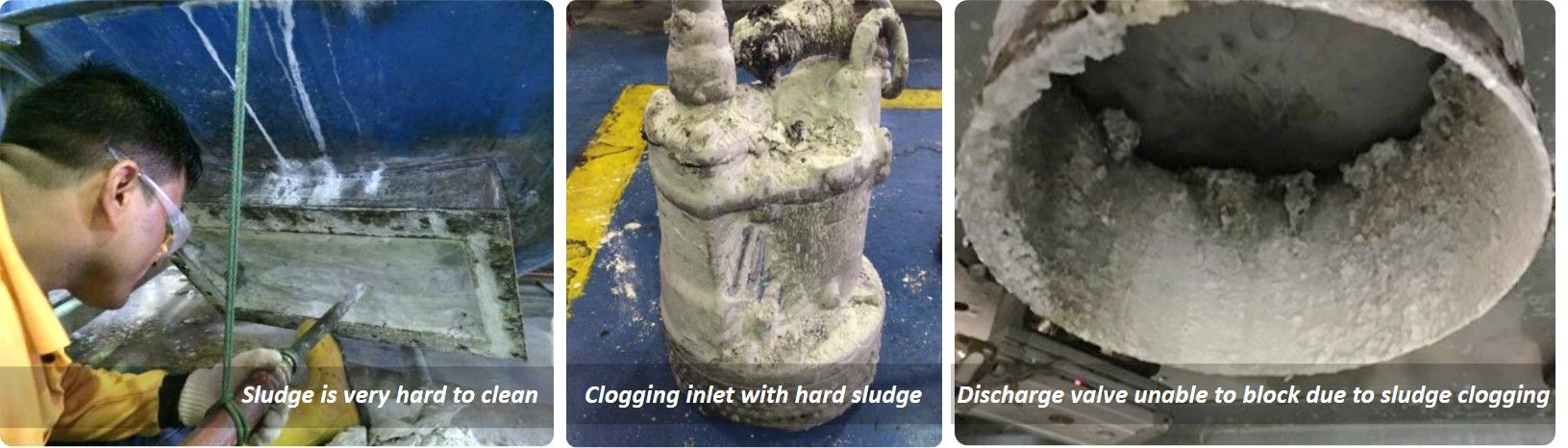
Real cases from the field: hardened glass sludge that requires manual chiseling, a coolant pump encased in solidified sludge, and a discharge valve blocked by sludge buildup.
How We Solve Sludge Buildup and Odor Issues
The rapid, flocculent settling property of the MORESCO GR Series prevents the formation of hard, concrete-like sludge. This means:
- EASY CLEANING: Simple sludge removal without intense manual scraping.
- REDUCED CLOGGING: Pumps and filters operate efficiently, reducing machine failure.
- OPERATOR SAFETY: The antibacterial, low-odor formula ensures a cleaner, healthier workspace, reducing the risk of skin irritation and respiratory issues.
| ➡️ MORESCO GR-5 (Glass) | ➡️ MORESCO GR-4 (Ceramics) | |
| Best for | Optical and precision glass machining | High-hardness technical ceramic machining |
| Core strength | Ultra-low foaming with fast, stable sedimentation | High lubricity and film strength for high-pressure grinding |
| Key features | Fast dust settling to prevent scratches and chipping; high cooling for delicate glass; fully synthetic, mineral-oil-free and residue-free | Reduces tool wear and noise; stable across varied water hardness; chlorine-free for operator safety and longer fluid life |
Common Industry Questions
Q1: What's the main difference between GR-5 and GR-4?
A: GR-5 is cooling and sedimentation focused for glass, while GR-4 is lubrication focused for high-hardness ceramics.
Q2: Why choose fully synthetic over semi-synthetic for these materials?
A: Fully synthetic fluids provide unparalleled stability and faster particle settling, which are critical for achieving high yield and preventing micro-scratches on precision glass and ceramic surfaces.
Q3: What packaging and documents does HLJH provide?
A: GR-5 and GR-4 come in 18 L pails and 200 L drums. On documentation, we can provide TDS, SDS, COA, and COO as needed. HLJH also runs its own laboratory, so if you need an analysis report for a specific batch or requirement, just let us know.
☎️Request a Free Consultation
Every process is different — the right fluid makes all the difference. Struggling with high scrap rates, frequent tank cleanings, or excessive tool wear in your glass or ceramic operations? Our experts are here to help. Get a personalized consultation based on your material, equipment, and process needs. Fill out the form below to connect with a specialist!
Last Updated: 2026-09-16
 Download
 Hot Products
Glass / Ceramics - Grinding Glass and Ceramic:Prevents sludge solidification, no more hard sludge and clogging | Premium Metalworking Fluids & Wastewater Solutions | HLJH
Based in Taiwan, HAI LU JYA HE CO., LTD is a leading manufacturer and supplier of premium industrial lubricants such as Glass / Ceramics. Our comprehensive product line features metalworking fluids, including soluble, semi-synthetic, synthetic, and neat cutting oils, alongside rust preventive, slideway, and hydraulic oils. With advanced manufacturing capabilities, we produce up to 150 tons of high-quality cutting fluids every month.
Hai Lu Jya He upholds the principles of integrated production-sales and environmentally responsible operations. Our processes apply Japanese bio-stabilization technology, and our role has evolved from pure product sales to authorized distribution and joint Taiwan-Japan technical cooperation and development. HLJH provides one-stop solutions for industrial oils and cutting fluids, covering eco-friendly cutting oil, customized oil production, and waste oil treatment (Taiwan only). Committed to green, environmentally responsible operations, HLJH owns its proprietary brand WILL and is MORESCO (Japan)'s authorized distributor in Taiwan, with select products co-developed through joint Taiwan-Japan technical cooperation — one of the few Taiwan companies with this kind of overseas production technology partnership.
HLJH has been offering customers high-quality metalworking oils and fluids, both with advanced technology and 44 years of experience, HLJH ensures each customer's demands are met.