
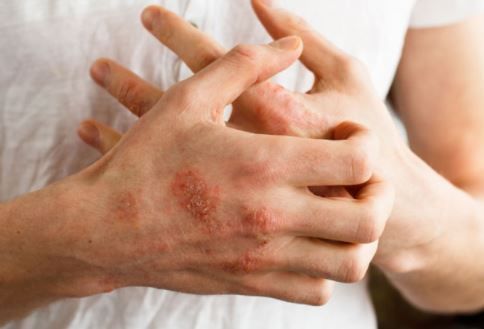
Low-Irritation, Chlorine-Free Cutting Fluid — Reduce Operator Skin Complaints
Choosing a Low-Irritation, Skin-Friendly Cutting Fluid for Your Shop Floor
In metalworking, cutting fluids are essential for precision and tool longevity. However, sub-optimal fluid management can lead to operator skin discomfort—a common yet preventable operational risk that can ultimately decrease workshop productivity. As a trusted industrial lubricant supplier, Hai Lu Jya He shares technical insights from our fluid specialists on maintaining a balanced coolant system, helping you protect your team while maximizing plant efficiency.

Understanding the Root Causes
Skin complaints in machining environments are rarely caused by a single factor; they are typically the result of a compromised fluid environment. Chemical formulations containing harsh preservatives or chlorine-based extreme pressure (EP) agents can naturally aggravate sensitive skin. This risk is amplified when fluids enter the "pH Danger Zone"—levels above 9.5 strip the skin’s protective lipids, while levels below 8.0 allow biological contaminants to thrive. Furthermore, high-speed machining generates aerosolized mist carrying microscopic metal swarf, which can mechanically compromise the skin barrier. Proactive management of these variables is key to ensuring both fluid stability and operational safety.
📒 5 Strategic Solutions for a Safer Workshop
To cultivate a safer, high-performing workshop, plant managers and shop floor supervisors should implement a structured approach to fluid maintenance:
| Step1 | Upgrade to Skin-Friendly, Eco-Friendly Fluids | Switch to advanced, eco-friendly cutting oils like our MORESCO or WILL AIE series. These formulations are completely free from formaldehyde and chlorine, minimizing skin irritation without sacrificing machining speed or tool life. |
| Step2 | Maintain the pH | Establish a weekly testing routine to keep your fluid pH strictly between 8.5 and 9.5. Staying in this "sweet spot" prevents both chemical skin burns (high pH) and bacterial degradation (low pH). |
| Step3 | Optimize Workshop Air Quality | Install high-efficiency oil mist collectors on your CNC machines and ensure proper plant ventilation. Removing invisible airborne particles prevents them from settling on your team's skin and lungs. |
| Step4 | Implement Proper Post-Shift Skin Hygiene | Replace harsh industrial hand soaps with mild, pH-neutral cleansers. Encourage operators to apply barrier creams before shifts to block chemicals, and moisturizers after work to restore the skin's natural lipid barrier. |
☎️ Need Expert Guidance on Cutting Oil? +886-25332210
Don't compromise operator health for performance. Hai Lu Jya He is dedicated to providing proactive, professional advice on safe fluid selection and maintenance. Contact our technical support team today for a fluid safety consultation and solutions tailored to your machinery and environment. Or fill out the form below to connect with a specialist!
🚨 Yes, I Need Expert Troubleshooting Now!
If you are facing smoke, heavy odors, or operator skin complaints, our technical specialists will prioritize your case. Contact Us:+886-4-25332210.
Last Updated: 2026-07-15
- Articles
-
Foaming in metal machining is a costly and often overlooked issue. When coolant foam affects your CNC lathe or milling machine, it can reduce machining quality, shorten tool life, and destabilize equipment. Based...
Read more