
Leading the Global Shift: Navigating the PFAS-Free Industrial Frontier| Premium Metalworking Fluids & Wastewater Solutions | HLJH
As we move into 2026, the global transition away from PFAS (Per- and Polyfluoroalkyl Substances) has shifted from a voluntary "environmental goal" to a strict "regulatory requirement." For manufacturers exporting to the EU and U.S., the clock is ticking. HLJH is a Taiwan high-quality Metalworking Fluids, Industrial Lubricants, Soluble Cutting Oils, Semi-synthetic Cutting Oils, Synthetic Cutting Fluids, Neat Cutting Oils, Rust Preventive Oils, Slideway Oils, Hydraulic Oils manufacturer and supplier Hai Lu Jya He upholds the principles of integrated production-sales and environmentally responsible operations. Our processes apply Japanese bio-stabilization technology, and our role has evolved from pure product sales to authorized distribution and joint Taiwan-Japan technical cooperation and development. since 1982.
Leading the Global Shift: Navigating the PFAS-Free Industrial Frontier
As we move into 2026, the global transition away from PFAS (Per- and Polyfluoroalkyl Substances) has shifted from a voluntary "environmental goal" to a strict "regulatory requirement." For manufacturers exporting to the EU and U.S., the clock is ticking.
What Are PFAS, and Why the Concern?
Per- and polyfluoroalkyl substances (PFAS) are a family of more than 3,000 synthetic chemicals first developed in the 1940s and valued for their resistance to water, oil, heat, and chemical attack. That same durability is why they are called "forever chemicals": they resist breakdown and accumulate in soil, water, and living organisms for decades.
In metalworking, PFAS compounds such as PFOS and PFOA were added to cutting fluids and industrial oils as surfactants and anti-wear agents, forming a stable, low-friction film under extreme temperatures and pressures. The problem is that the same persistence now drives regulation. A 2023 French Environmental Inspectorate report noted that PFAS enter the body through food, water, air, and dust, with prolonged exposure linked to thyroid disorders, elevated cholesterol, liver damage, immune suppression, and an increased risk of kidney and testicular cancer. The US EPA classifies key PFAS under the Toxic Substances Control Act (TSCA), and the EU restricts them under REACH and the Stockholm Convention.
At Hai Lu Jya He (HLJH), we are helping our partners navigate this complex landscape by providing a growing suite of high-performance, PFAS-free industrial lubricants and greases that safeguard both your production quality and your market access.
Why 2025 is the Critical Turning Point for Manufacturers
While previous years focused on understanding PFAS risks, 2025 marks the implementation of enforcement. The global supply chain is reacting to several high-pressure factors:
- Strict Export Restrictions: Under the latest EU REACH updates and the U.S. EPA’s TSCA Section 8(a)(7), non-compliant products face increasing scrutiny at international borders. Products containing "forever chemicals" risk being barred from entry.
- Mandatory OEM Disclosures: Major leaders in the automotive, semiconductor, and aerospace sectors now mandate full chemical transparency. If you are a Tier 1 or Tier 2 supplier, providing a PFAS-Free Declaration is now a prerequisite for contract renewal.
- Environmental Liability & ESG: Companies are moving to minimize long-term liability. Transitioning to PFAS-free chemistry is a core component of ESG (Environmental, Social, and Governance) reporting, directly impacting corporate valuation and investor trust.
-
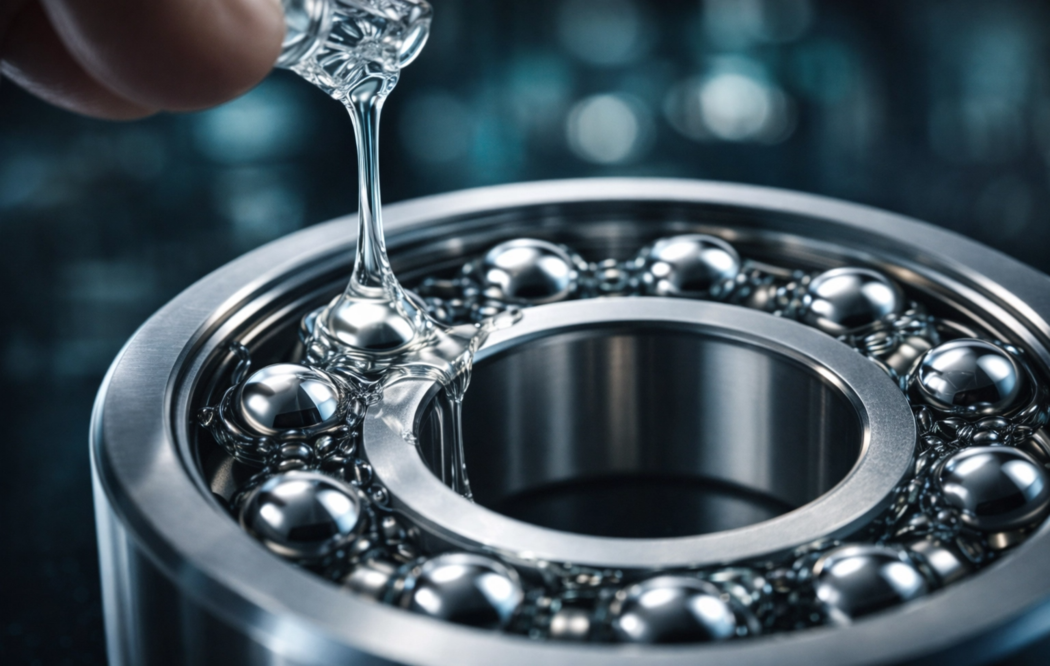
An Expanding PFAS-Free Range:Many suppliers offer PFAS-free options only for water-based coolants. However, PFAS are often hidden in specialized greases and hydraulic fluids. HLJH is continuously expanding its PFAS-free lineup across these categories to help you move more of your operation toward compliance
1. Unlike traditional high-temperature greases that rely on fluorinated additives like PTFE, a growing range of our PFAS-free greases now uses advanced chemistry to deliver exceptional Extreme Pressure (EP) resistance, protecting high-load bearings under intense mechanical stress. Furthermore, these formulations ensure superior thermal stability, maintaining critical lubrication integrity during high-temperature machining without the risk of toxic degradation or environmental liability
2. PFAS-Free Hydraulic & Slideway Oils
Leakage and mist are common in industrial settings. By using our PFAS-free hydraulic and slideway oils, you ensure that any incidental contact or environmental release meets the highest safety standards, protecting both your operators and the local ecosystem.
3. Advanced Synthetic Ester Technology We replace traditional fluorinated compounds with high-performance Synthetic Esters, a breakthrough that ensures superior lubrication while maintaining environmental integrity. This advanced formulation achieves a lower friction coefficient—matching or even exceeding the performance of PFAS-based oils—while offering excellent biodegradability. This not only simplifies wastewater treatment but also significantly reduces your facility's environmental footprint without compromising machining precision
Practical Applications: Industry-Specific Benefits
- Semiconductor Industry: Ensure ultra-clean environments by eliminating the risk of fluorinated outgassing.
- Automotive Parts: Meet the stringent "Green Supply Chain" requirements of global EV manufacturers.
- Medical Device Machining: Guarantee that components are free from chemical residues that could impact biocompatibility.
A Note on Wastewater
PFAS also complicate wastewater treatment, because conventional methods are largely ineffective. Current strategies include advanced oxidation processes (AOPs), membrane filtration, and specialized adsorption using activated carbon or resins. Switching to PFAS-free inputs reduces this burden at the source.
☎️ Is your facility ready for the 2026 regulations? Call Us +886-25332210
Contact our technical team today for a free consultation and personalized recommendation tailored to your specific equipment and operating conditions. Fill out the form below to connect with a specialist!
Hot Products
 Download
 Leading the Global Shift: Navigating the PFAS-Free Industrial Frontier | Metalworking Fluids & Custom Lubricant Solutions | HLJH
Based in Taiwan, HAI LU JYA HE CO., LTD is a leading manufacturer and supplier of premium industrial lubricants. Our comprehensive product line features metalworking fluids, including soluble, semi-synthetic, synthetic, and neat cutting oils, alongside rust preventive, slideway, and hydraulic oils. With advanced manufacturing capabilities, we produce up to 150 tons of high-quality cutting fluids every month.
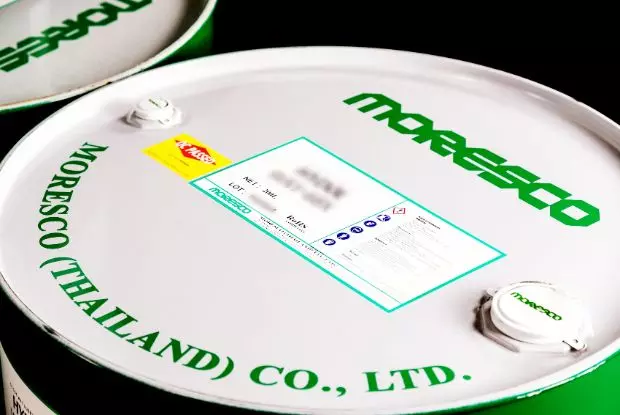
Hai Lu Jya He upholds the principles of integrated production-sales and environmentally responsible operations. Our processes apply Japanese bio-stabilization technology, and our role has evolved from pure product sales to authorized distribution and joint Taiwan-Japan technical cooperation and development. HLJH provides one-stop solutions for industrial oils and cutting fluids, covering eco-friendly cutting oil, customized oil production, and waste oil treatment (Taiwan only). Committed to green, environmentally responsible operations, HLJH owns its proprietary brand WILL and is MORESCO (Japan)'s authorized distributor in Taiwan, with select products co-developed through joint Taiwan-Japan technical cooperation — one of the few Taiwan companies with this kind of overseas production technology partnership.
HLJH has been offering customers high-quality metalworking oils and fluids, both with advanced technology and 44 years of experience, HLJH ensures each customer's demands are met.